Staying With The Work
As creatives, we’re taught to chase big ideas, but rarely taught how to carry them into action. I’ve spent years thinking about what I should be doing next while struggling to take that next step. Over time, that disconnect between thought and execution began to feel less like ambition and more like failure.
But as a creative, I think it’s okay to fail—in fact, it’s encouraged. There’s so much to be learned through failure, especially in how you adapt when things don’t go as planned. In many ways, the creative process lives in the flow between order and chaos, and that fine line is where true artistry is found.
Think of a painter. A painter doesn’t approach a canvas expecting every stroke to land perfectly. There’s intention going in—a plan, a vision—but once the paint hits the surface, chaos becomes an inevitable part of the process. A wrong stroke doesn’t end the entire piece; it forces a response. The painting isn’t found by controlling every mark, but by navigating the space between what was planned and what actually happened.
For a long time, I felt like a project had failed the moment it drifted from the version I imagined in my head. But that expectation was the problem. What a piece becomes is shaped by the responses and adjustments made along the way—a realization that became very real to me on a project I’ll never forget.
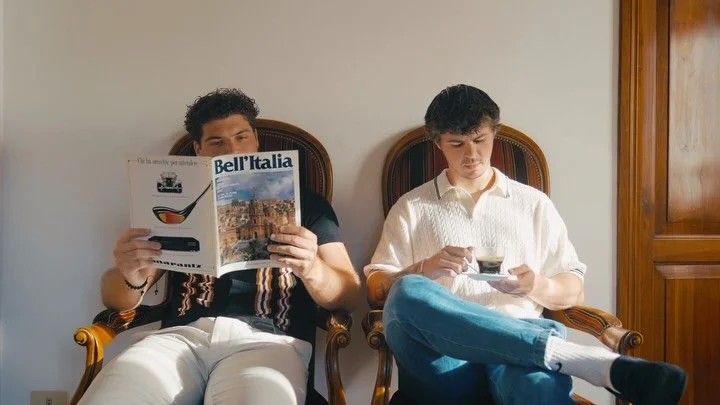
I recently filmed a wedding across the pond in Italy. And with a place like Italy, you carry all sorts of expectations—shots you want, moments you plan for, ideas you hope to execute. Fast forward a bit, and I’m already nervous: filming not only my first wedding, but doing it alone in a foreign country, constantly adapting on the fly. Then comes the ceremony—and it takes a big person to admit their mistakes—but when the moment arrived for their first kiss as a married couple… I forgot to hit record.
That mistake lived with me for months afterward. I was scared to even open the edit, afraid that without that moment, the entire piece was already broken. I had failed to create the version I saw so clearly in my head. But eventually, I sat with the footage and began responding to what was actually there. Layer by layer, the video started to take shape—through music, color, and moments I hadn’t initially planned for. I didn’t fix the mistake—I worked around it and let the piece become something else.
A few months later, I finally had something to show the newlyweds. And wouldn’t you know… they loved it.
It’s funny—I had built this whole ordeal up in my head, obsessing over perfection and picking apart every shaky handheld shot, but I was the only one who even noticed them. Those imperfections, those pivots, that chaos—they were the reason the piece actually worked, and without them, it wouldn’t have been the film I was so proud to hand over.
That experience changed how I think about creating. Failure didn’t mean the work was broken—it meant the work was asking me to respond. Art isn’t made by avoiding mistakes or controlling every outcome, but by staying present long enough to move between order and chaos, and trusting that something honest can still emerge.
MORE OF ME FROM INSTAGRAM


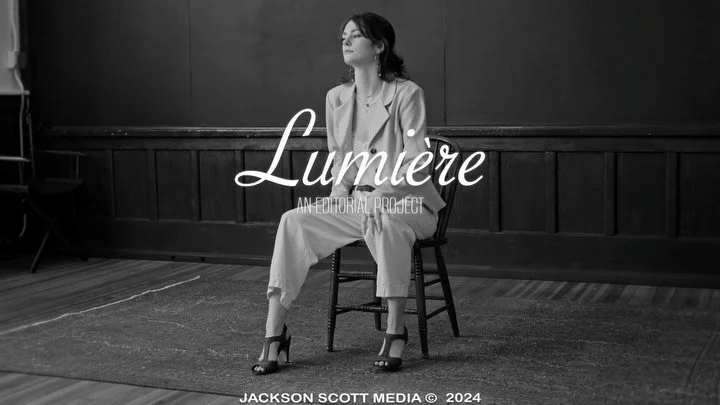
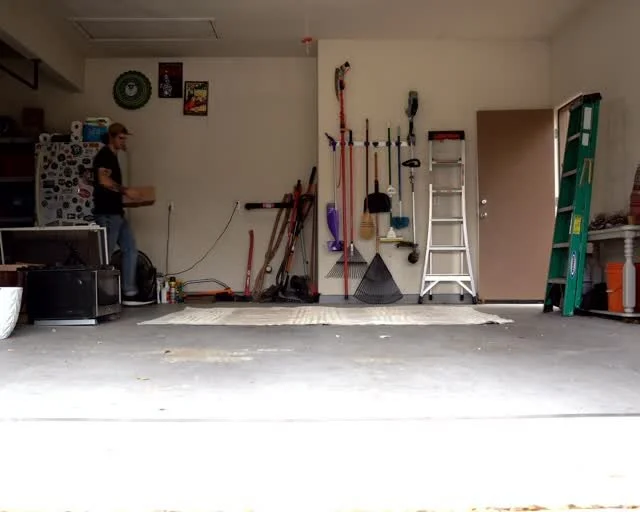

On set things rarely ever go as planned, so it’s important to build contingencies when things go wrong